


יָד וָשֵׁם
YAD Va-SHEM
YAD Va-SHEM
The phrase "Yad Vashem" originates from the Book of Isaiah: "And I will give them in My house and within My walls a monument and a name better than sons and daughters; I will give them an everlasting name that shall not be cut off." (Isaiah 56:5).
הַצֵּירוּף 'יָד וָשֵׁם' מְקוֹרוֹ בְּסֵפֶר יְשַׁעְיָהוּ "וְנָתַתִּי לָהֶם בְּבֵיתִי וּבְחוֹמוֹתַי יָד וָשֵׁם טוֹב מִבָּנִים וּמִבָּנוֹת שֵׁם עוֹלָם אֶתֶּן לוֹ אֲשֶׁר לֹא יִכָּרֵת" (יְשַׁעְיָהוּ נו' פס' ה').
The goal of Yad Vashem, the Holocaust Remembrance Center in Jerusalem, is to fulfill this verse from Isaiah and to act in direct contrast to the Nazis' intentions.
מַטְּרָתוֹ שֶׁל מוֹסָד יָד וָשֵׁם בִּירוּשָׁלַיִם הִיא לְקַיֵּם אֶת הַפָּסוּק מִסֶפֶר יְשַׁעְיָהוּ וְלַעֲשׂוֹת אֶת הַהֵיפֶךְ מִמָּה שֶׁהִתְכַּוְּנוּ הַנָּאצִים לַעֲשׂוֹת.
The Nazis sought to annihilate the Jewish people, gathering them in concentration and extermination camps as though they were a single indistinguishable mass, without any individual recognition.
הַנָּאצִים רָצוּ לְהַשְׁמִיד אֶת הָעָם הַיְּהוּדִי וְרִיכְּזוּ אֶת כּוּלָּם בְּמַחֲנוֹת רִיכּוּז וְהַשְׁמָדָה כְּאִילּוּ הֵם גּוּשׁ אֶחָד לְלֹא הֶבְדֵּל בֵּין כָּל אָדָם וְאָדָם.
Holocaust researchers at Yad Vashem work tirelessly, analyzing historical records, examining new testimonies, and attempting to uncover more details about the fate of Jewish communities that were wiped out during the dark period of World War II.
חוֹקְרֵי הַשּׁוֹאָה עוֹבְדִים לְלֹא הֶרֶף בְּיָד וָשֵׁם, שָׁם הֵם מְנַתְּחִים תֵּיעוּד הִיסְטוֹרִי, חוֹקְרִים עֵדוּיוֹת חֲדָשׁוֹת וּמְנַסִּים לַחֲשׂוֹף פְּרָטִים נוֹסָפִים עַל גּוֹרָלָן שֶׁל קְהִילּוֹת יְהוּדִיּוֹת שֶׁנִּכְחֲדוּ בַּתְּקוּפָה הָאֲפֵלָה שֶׁל מִלְחֶמֶת הָעוֹלָם הַשְּׁנִיָּה.
Here are some sentences with the phrase "Yad Vashem":
הִנֵּה כַּמָּה מִשְׁפָּטִים עִם הַבִּיטּוּי 'יָד וָשֵׁם':
1. Yad Vashem, the official Holocaust memorial center in Jerusalem, includes a museum, archive, and extensive research facility, where testimonies, documents, and historical materials are gathered to document the lives and fate of the victims.
1. יָד וָשֵׁם, הַמֶּרְכָּז הָרִשְׁמִי לְהַנְצָחַת הַשּׁוֹאָה בִּירוּשָׁלַיִם, כּוֹלֵל מוּזֵאוֹן, אַרְכִיּוֹן וְזִירַת מֶחְקָר עֲנֵפָה שֶׁבָּהּ נֶאֱסָפִים עֵדוּיוֹת, מִסְמָכִים וְחוׄמָרִים הִיסְטוֹרִיִּים לְתֵיעוּד חַיֵּיהֶם וְגוֹרָלָם שֶׁל הַנִּסְפִּים.
2. Every year, on Holocaust Remembrance Day, a national ceremony is held at Yad Vashem, attended by survivors, their families, and representatives from nations around the world, to remember and honor the victims of the Holocaust.
2. בְּכָל שָׁנָה, בְּיוֹם הַזִּכָּרוֹן לַשּׁוֹאָה וְלַגְּבוּרָה, נֶעֱרַךְ טֶקֶס מַמְלַכְתִּי בְּיָד וָשֵׁם, שֶׁבּוֹ מִשְׁתַּתְּפִים נִיצּוֹלִים, בְּנֵי מִשְׁפְּחוֹתֵיהֶם וּנְצִיגִים מִמְּדִינוֹת הָעוֹלָם כְּדֵי לִזְכּוֹר וּלְכַבֵּד אֶת קוׄרְבְּנוֹת הַשּׁוֹאָה.
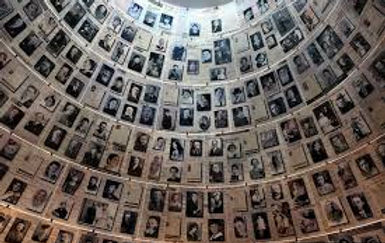
3. One of the most emotionally powerful places at Yad Vashem is the "Hall of Names", where Pages of Testimony have been collected with the names of millions of victims, in an effort to commemorate each individual and preserve their memory for future generations.
3. אַחַד הַמְּקוֹמוֹת הַמְּטַלְטְלִים בְּיוֹתֵר בְּיָד וָשֵׁם הוּא "הֵיכַל הַשֵּׁמוֹת", שֶׁבּוֹ מוּצָּגִים דַּפֵּי עֵד שֶׁנֶּאֶסְפוּ עִם שְׁמוֹתֵיהֶם שֶׁל מִילְיוֹנֵי נִסְפִּים, בְּמַאֲמָץ לְהַנְצִיחַ כָּל אָדָם וּלְשַׁמֵּר אֶת זִכְרוֹ לַדּוֹרוֹת הַבָּאִים.
4. One of the most important projects at Yad Vashem is the search for testimonies about non-Jews who saved Jews during World War II, in order to grant them the status and recognition of Righteous Among the Nations.
4. אַחַד הַפְּרוֹיֶקְטִים הַחֲשׁוּבִים שֶׁל יָד וָשֵׁם הוּא חִיפּוּשׂ אַחַר עֵדוּיוֹת עַל לֹא יְהוּדִים שֶׁהִצִּילוּ יְהוּדִים בְּמַהֲלַךְ מִלְחֶמֶת הָעוֹלָם הַשְּׁנִיָּה כְּדֵי לָתֵת לָהֶם מַעֲמָד וְהַכָּרָה שֶׁל חֲסִידֵי אוּמּוֹת עוֹלָם.